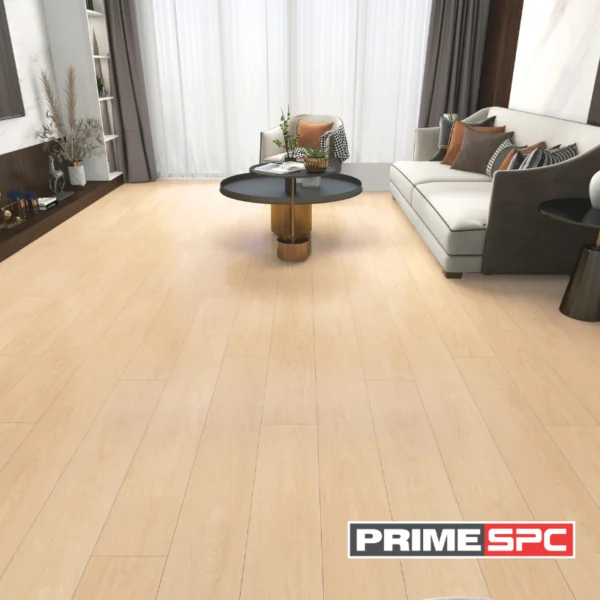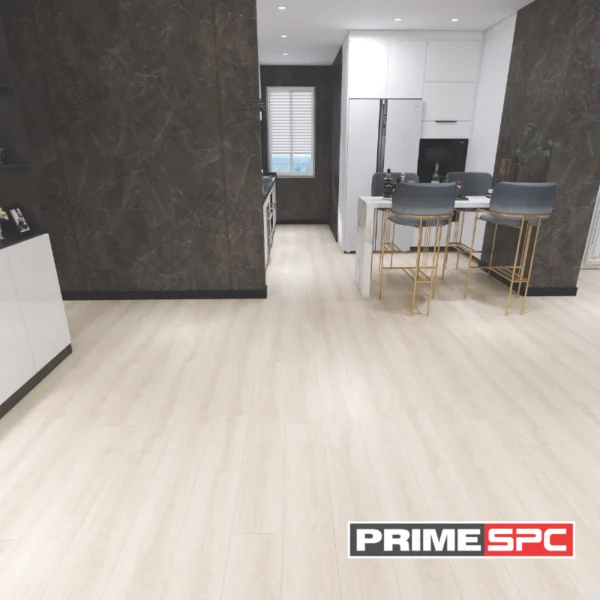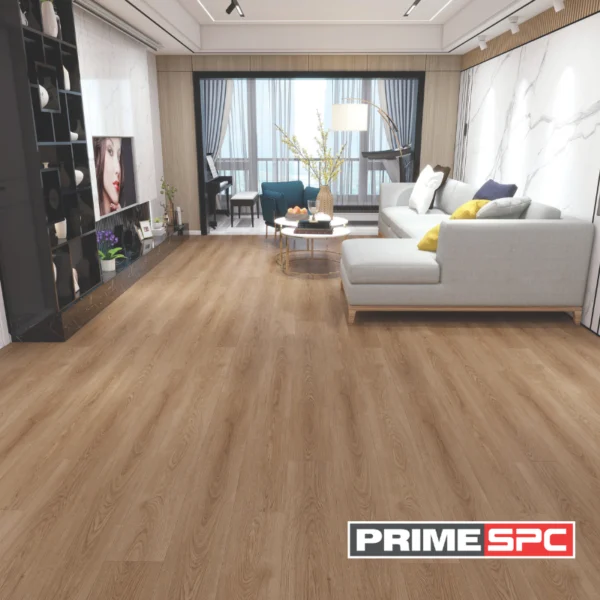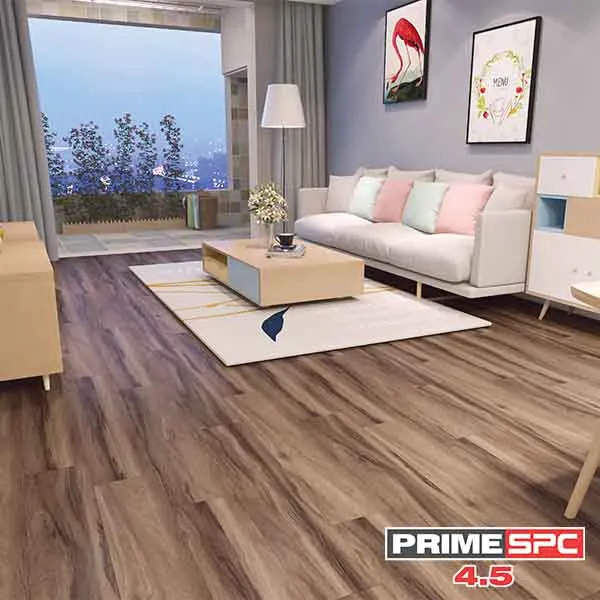



1. Is SPC flooring really water-resistant?
Yes. SPC flooring is highly water-resistant because its rigid stone-polymer core does not absorb moisture. It can handle spills, mopping, and daily humidity very well. This makes SPC suitable for Malaysian homes, especially areas like dry kitchens, living rooms and bedrooms.
2. Can SPC flooring be installed over existing tiles?
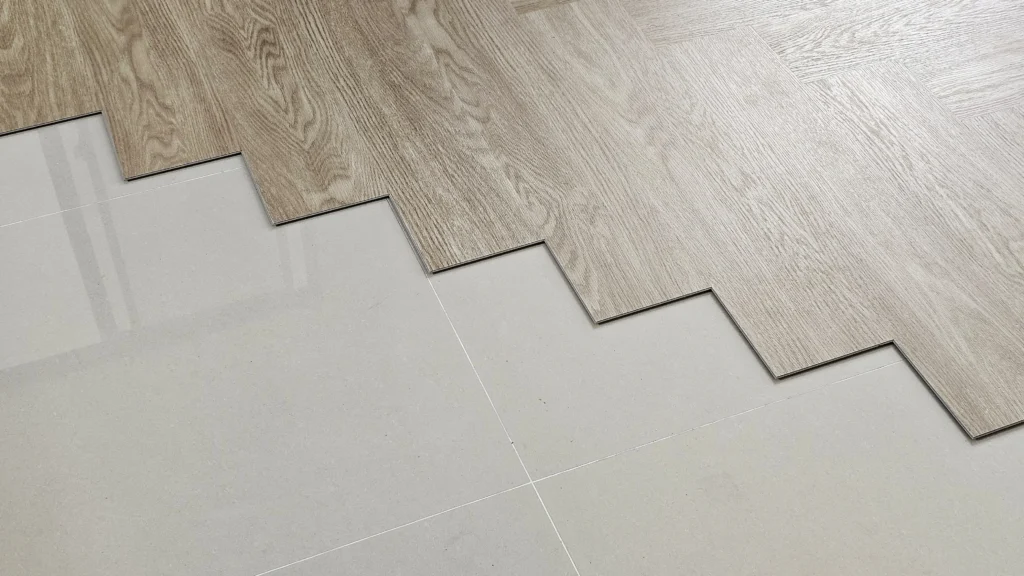
Yes, SPC click flooring can be installed directly over tiles as long as the tiles are not hollow, broken, or severely uneven. Installing over tiles saves time, avoids hacking, and reduces renovation mess.
3. How long does SPC flooring typically last?
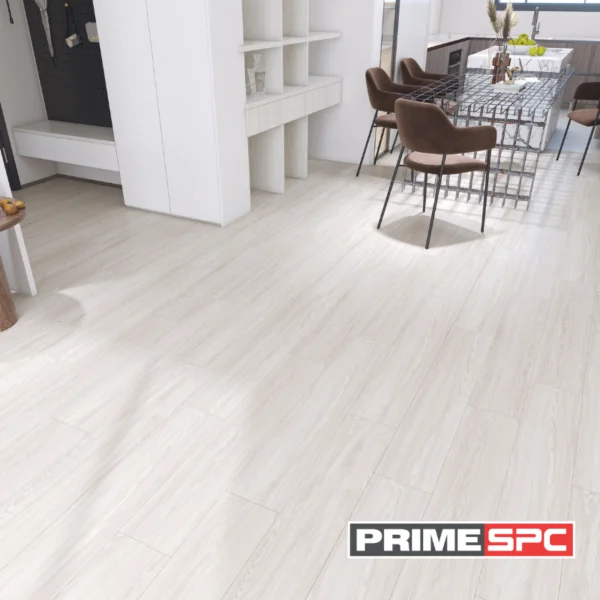
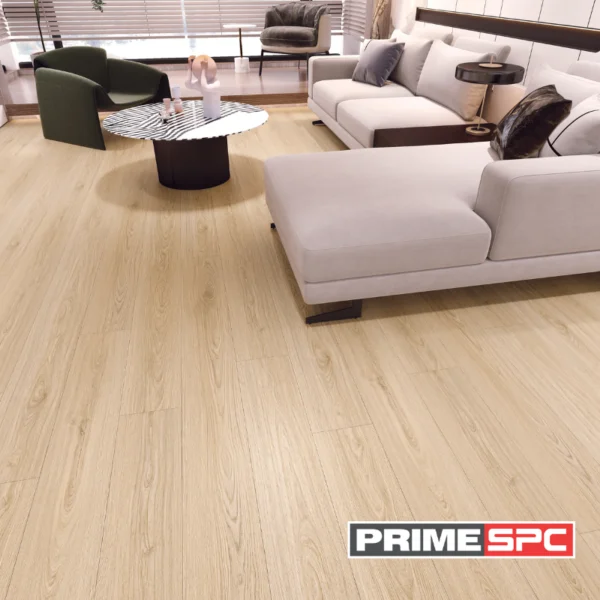
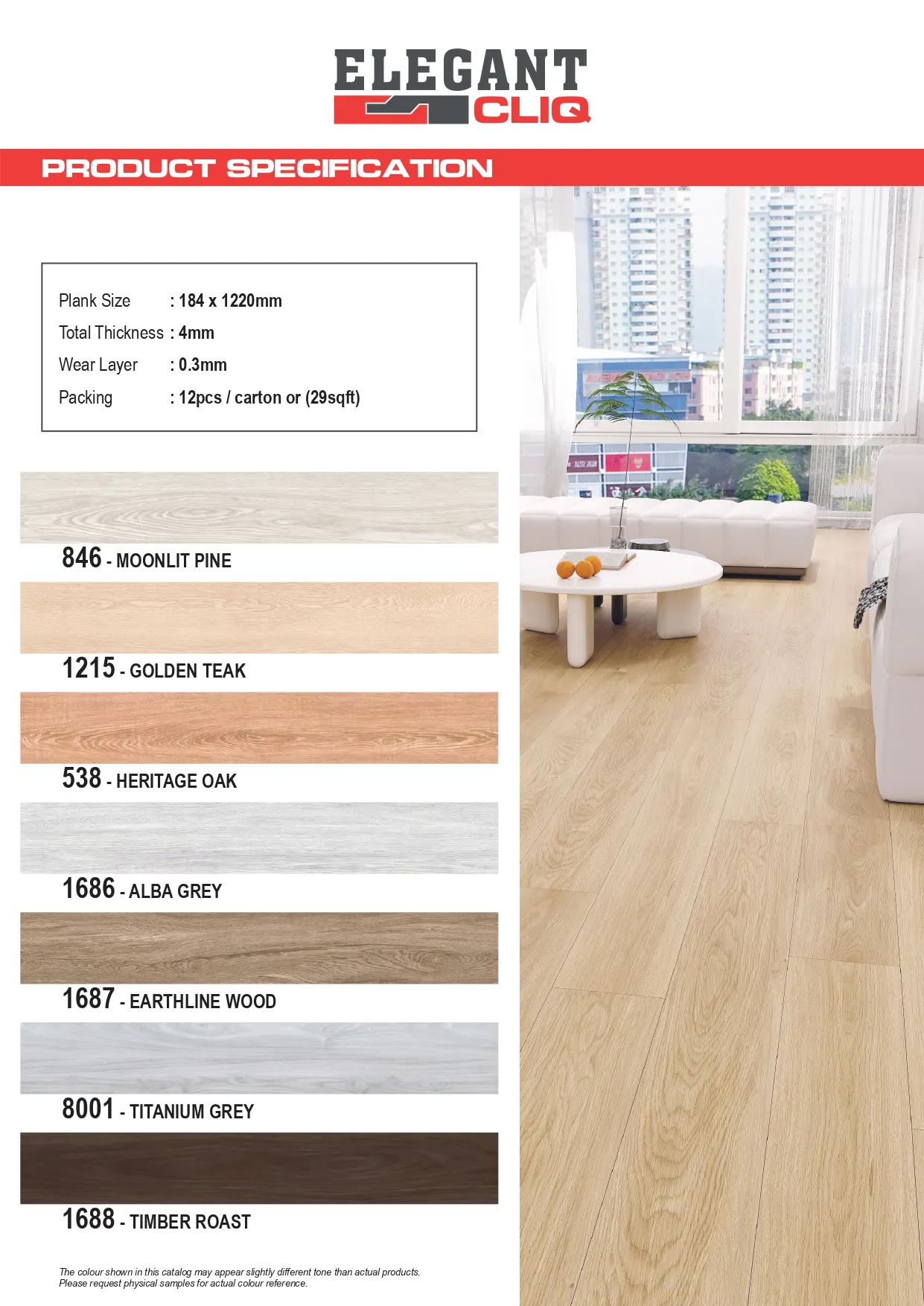
Good-quality SPC flooring, such as Primelay’s Elegant Cliq or Urban Cliq series, generally lasts 10–20 years depending on usage, installation, and maintenance.
4. Is SPC flooring safe for young children and pets?
Absolutely. SPC is low VOC, formaldehyde-free, slip-resistant, and comfortable underfoot. It is a safe and healthy option for babies, toddlers, pets, and elderly family members.
5. Does SPC flooring need an underlay?
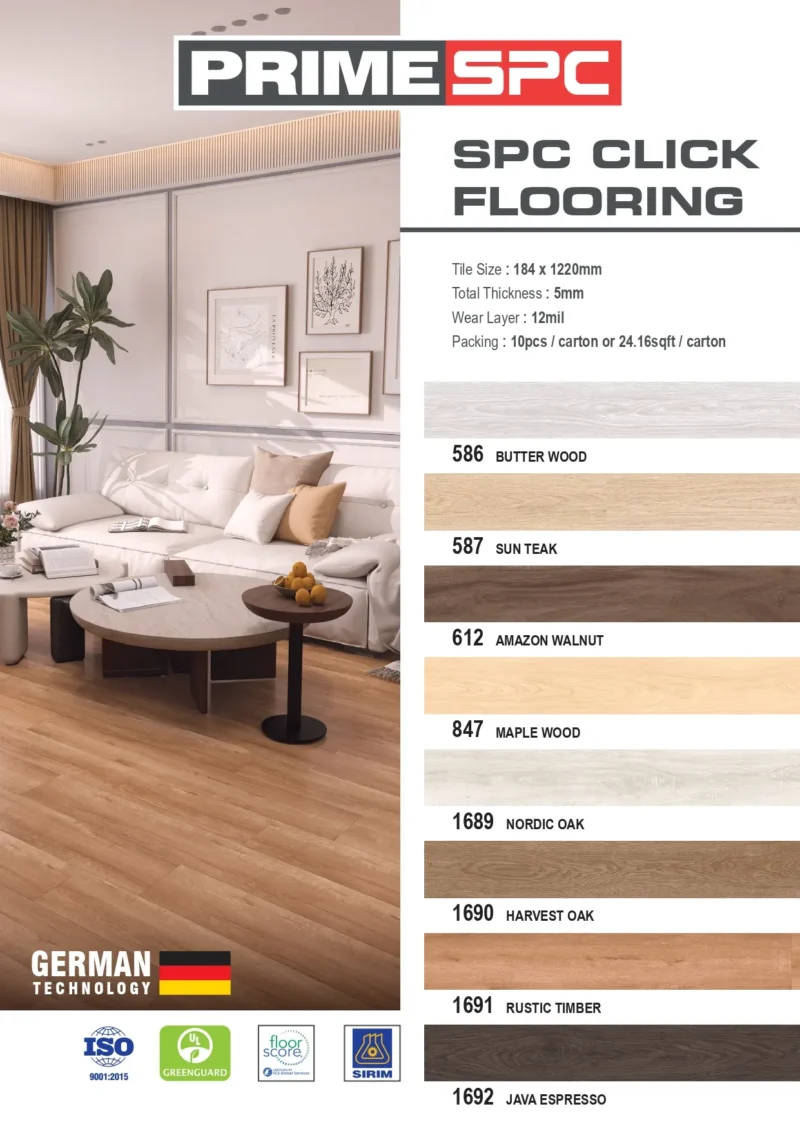
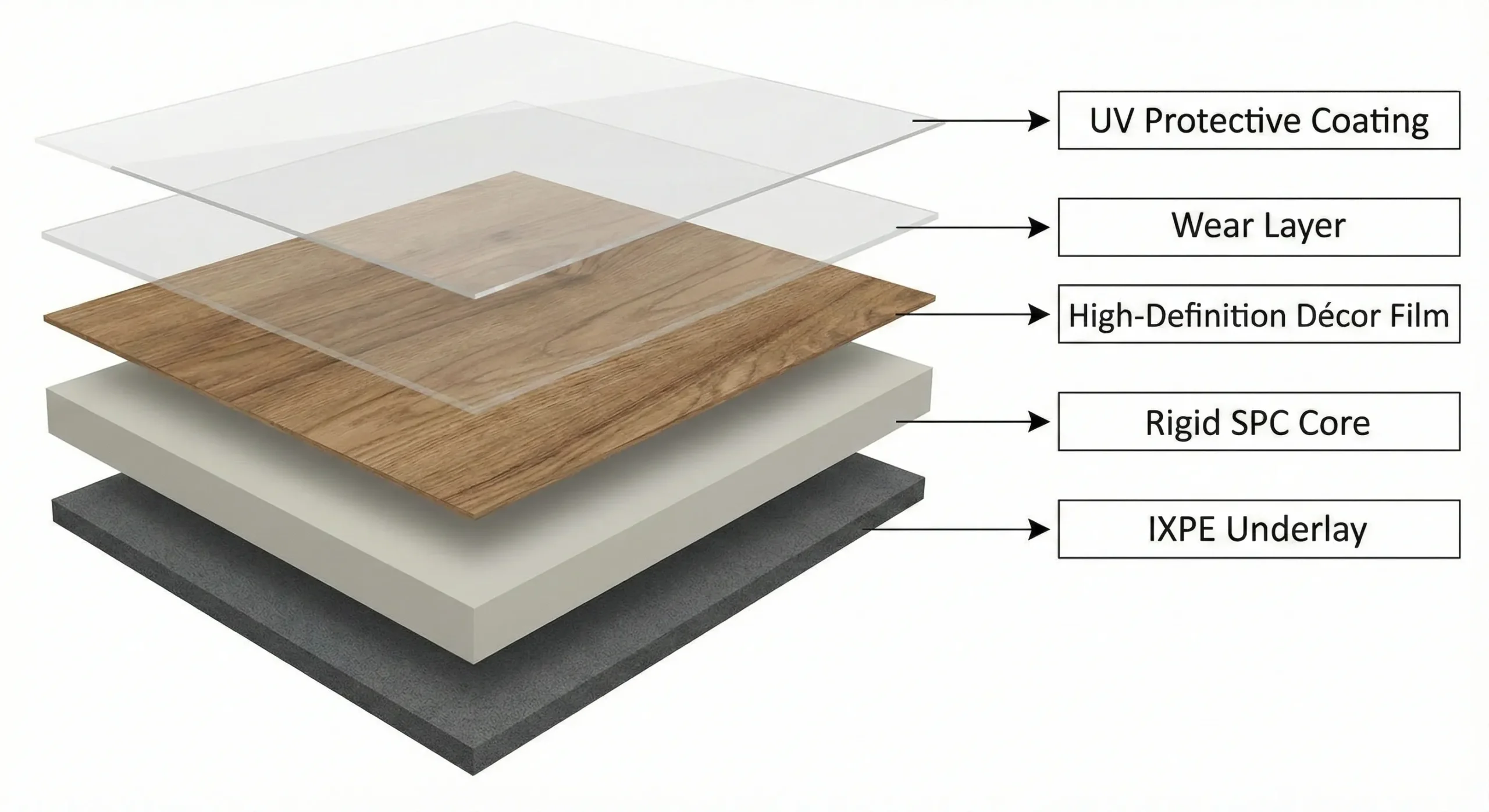
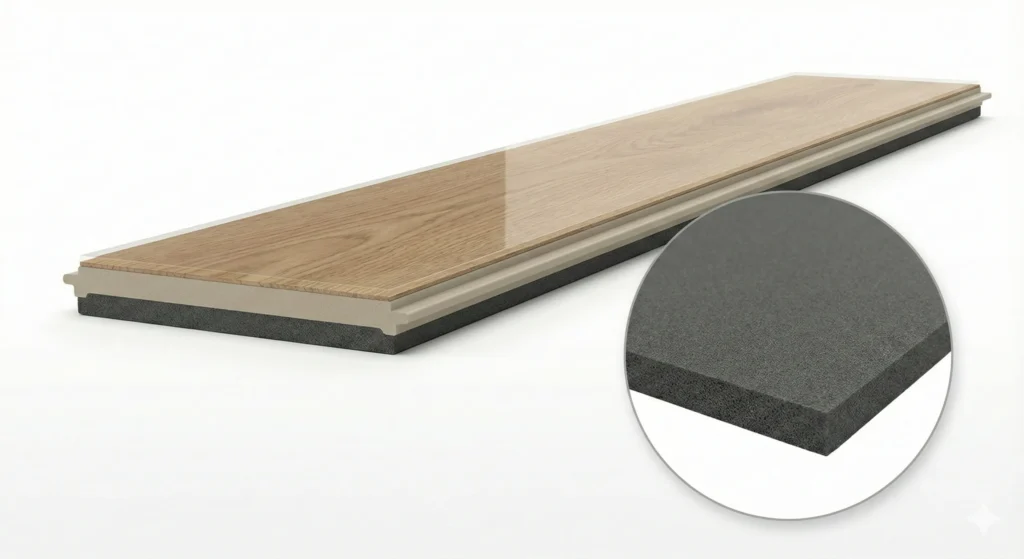
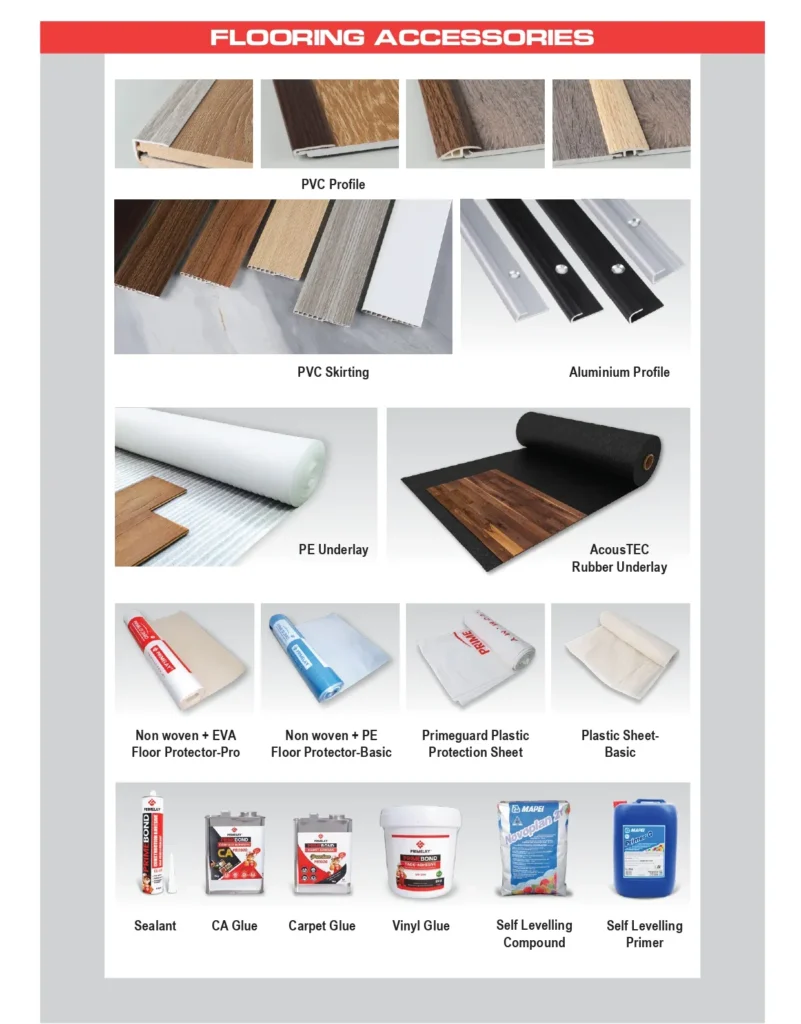
Some of Primelay SPC products include built-in IXPE acoustic underlay, meaning no additional foam layer is required. The IXPE backing improves comfort, reduces sound and speeds up installation. Other backing options like PE underlay, Rubber Underlay or IXPE underlay are available separately to install on the subfloor.
6. Does SPC flooring fade when exposed to sunlight?
SPC is generally UV-stable, but long-term direct sunlight may cause mild colour change over years. Homes with large windows or balcony doors should choose anti UV coating. curtains to avoid regular exposure to sunlight.
7. Is SPC flooring noisy when walking on it?
Good-quality SPC with IXPE backing is quiet and comfortable. If installed on an uneven subfloor, tapping or clicking noises can happen, which is why proper subfloor preparation is important.
8. Is SPC flooring suitable for kitchens?
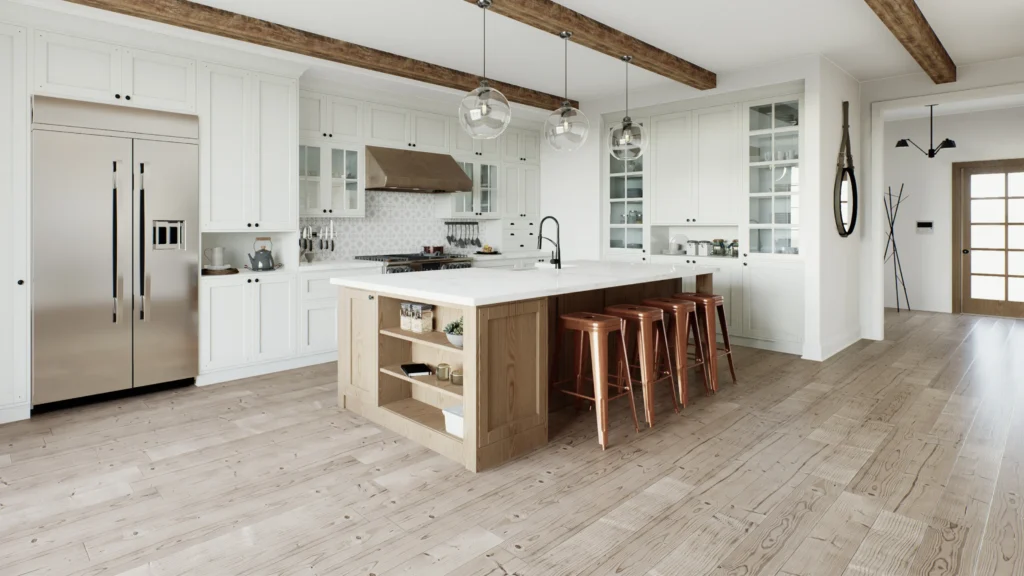
Yes, SPC flooring is a great choice for dry kitchens because it is water-resistant, easy to maintain, and comfortable to stand on. Many Malaysian homeowners prefer it over cold ceramic tiles.
9. Can SPC flooring be used inside bathrooms?
SPC should not be used inside wet shower areas, but it can be installed in dry bathroom zones, such as outside the shower, near the vanity or dressing area.
10. Is SPC flooring recommended for condos and apartments?
Yes. SPC is one of the best flooring choices for high-rise units because it reduces noise, feels warm underfoot, and installs easily over existing tiles.
11. Does SPC flooring expand or contract?
SPC expands very minimally compared to laminate. However, installers must still leave a 5–8mm expansion gap around the room perimeter to prevent lifting or buckling.
12. Can SPC flooring handle heavy furniture?
SPC can support heavy furniture, but it is important not to drag items across the floor. Use felt pads to prevent scratches and protect the locking system.
13. Is SPC flooring scratch-resistant?
SPC is scratch-resistant but not scratch-proof. It can handle pets and daily traffic well, but sharp objects, grit, or unprotected chair legs may leave marks. Using furniture pads is recommended.
14. What SPC flooring thickness should I choose?
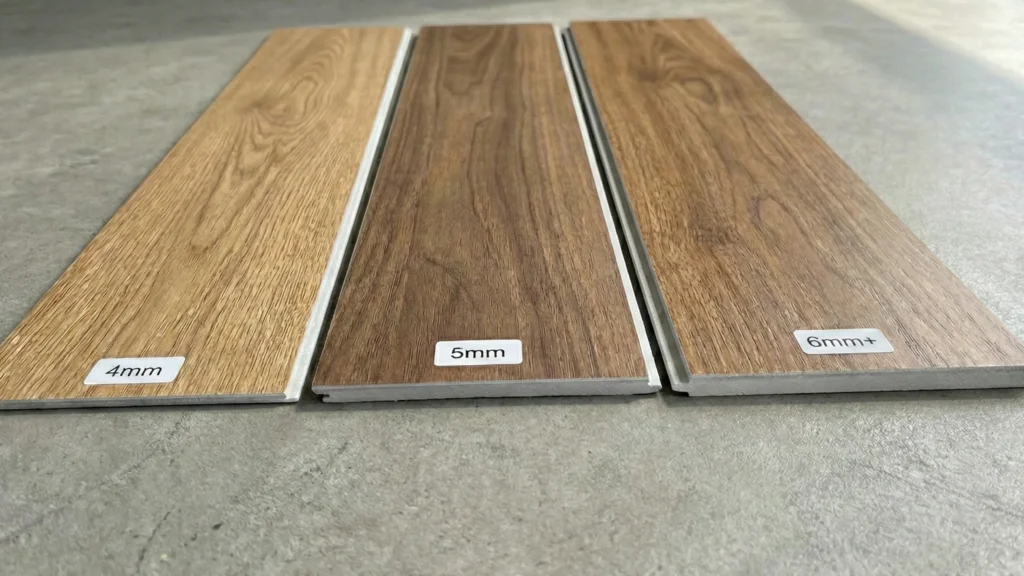
4mm: Budget option for rooms with low traffic
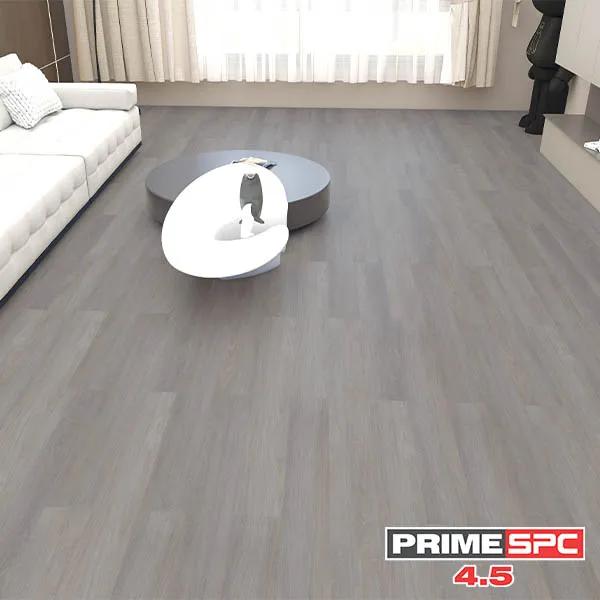
4.5mm: Good stability for older tiles
5mm: Best choice for most Malaysian homes
6mm+: Recommended for shops, commercial spaces or heavy use
15. What wear layer thickness do I need?
0.3mm wear layer: Suitable for most homes
0.5mm wear layer: Recommended for high-traffic homes, rentals, offices, shops and cafés
16. What materials are used to make SPC flooring?
SPC is made from a blend of limestone minerals, PVC stabilisers, a decorative film, a protective wear layer, and an IXPE acoustic backing. This combination gives SPC strength, stability, and water resistance.
17. Can SPC flooring be installed on slightly uneven floors?
Minor unevenness is acceptable, but deep dips or high points may cause clicking sounds or gaps. If tiles vary more than 3mm, skim-coating or levelling is recommended.
18. Is SPC flooring termite-proof?
Yes. SPC contains no wood components, making it naturally resistant to termites and ideal for tropical climates.
19. Is SPC flooring suitable for Malaysia’s heat and humidity?
Yes. SPC is engineered for tropical climates. Its rigid core stays stable even with temperature changes from air-conditioning, kitchen heat, or Malaysian humidity.
20. Can I install SPC flooring myself?
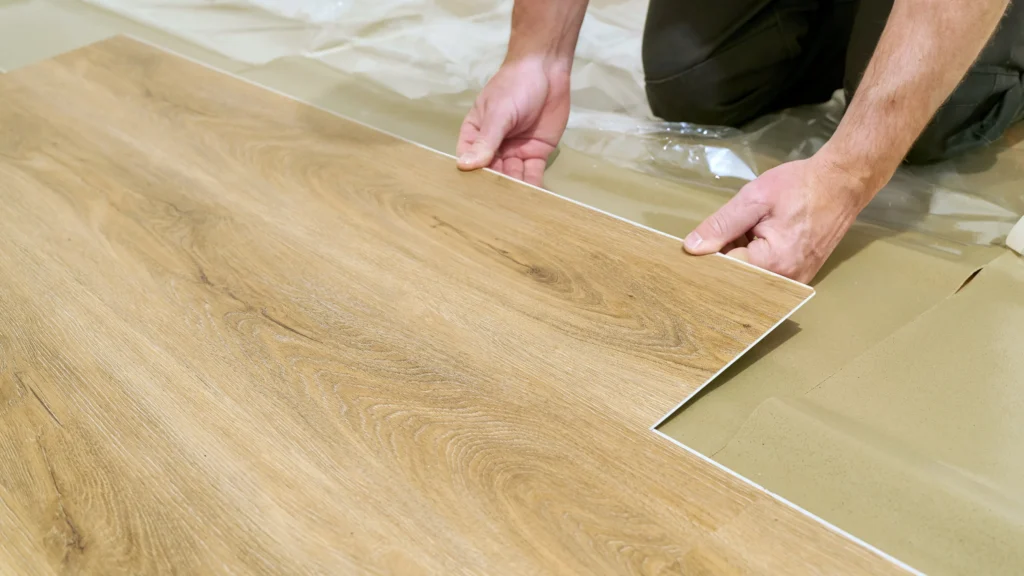
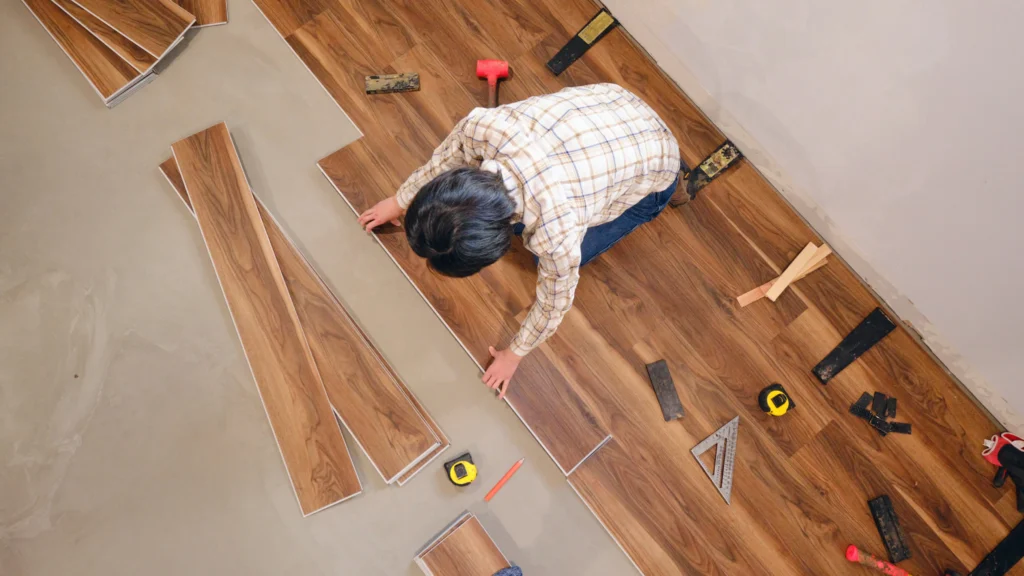
SPC click flooring is DIY-friendly, but professional installation is recommended to ensure proper locking, levelling, trimming and expansion spacing.
21. How do I clean and maintain SPC flooring?
Maintenance is simple:
Sweep or vacuum regularly
Mop with mild cleaner
Avoid steam mops
Avoid harsh chemicals like bleach
SPC is low-maintenance and family-friendly.
22. Can SPC planks be reused after removal?
Yes, if the planks were removed carefully and the click edges are not damaged, they can be reinstalled elsewhere.
23. Does SPC flooring cause allergies?
No. SPC has a sealed surface that does not trap dust, making it a good flooring choice for people with allergies, asthma, or sinus sensitivities.
24. Can SPC be installed near sliding doors or balcony windows?
Yes, but choose SPC with UV protection for bright areas. Use curtains or blinds for harsh afternoon sun.
25. How is SPC different from vinyl plank flooring?
SPC has a solid rigid core, making it more stable and durable. Vinyl plank is softer and requires glue, while SPC uses a click-lock system and feels more solid underfoot.
26. How is SPC different from laminate flooring?
SPC is water-resistant and termite-proof. Laminate is made from wood and may swell with moisture. SPC is generally more durable in Malaysian homes.
27. Does SPC flooring feel cold like tiles?
No. SPC feels warmer and softer than tiles. It reduces foot fatigue when cooking or standing for long periods.
28. Does SPC flooring reduce noise?
Yes, especially SPC with IXPE backing. It helps absorb impact sound, making it suitable for high-rise living or rooms above bedrooms.
29. Do I need to leave expansion gaps when installing SPC?
Yes, a 5–8mm perimeter gap is necessary to allow minimal natural movement and prevent lifting.
30. Why choose Primelay SPC Flooring?
Primelay offers high-quality SPC with strong locking systems, thick cores, IXPE backing, beautiful colours, SIRIM-tested options, ready stock, professional installation, and competitive pricing — making it a trusted choice across Malaysia.